This guide shows you how to start a vegetable garden. You do not need a big yard, a lot of money, or years of experience to grow your own vegetables. A single raised bed, a sunny patch of ground, or a few containers on a patio can give you fresh lettuce, tomatoes, and beans in your first season. The trick is to start small, pick forgiving crops, and plant them at the right time for your part of the country.
1. Find your USDA zone and last frost date
The USDA Plant Hardiness Zone Map divides the US into 13 zones, based on the average annual extreme minimum winter temperature, using 30 years of data from 1991 to 2020. The map was last revised in 2023. Most Americans live in Zones 5 to 9 — Chicago is around Zone 5, Dallas and Atlanta around Zone 8, and Miami around Zone 10. Your zone tells you which plants can survive your winters. Your last frost date tells you when to plant. As a rough guide, average last frost dates are about: Zone 3, May 20–31; Zone 4, May 10–20; Zone 5, May 1–10; Zone 6, April 20–30; Zone 7, April 10–20; Zone 8, March 30–April 10; Zone 9, March 10–20; Zone 10, February 15–March 10. These are zone averages, not a promise for your town — your garden can differ by two weeks or more. Look up your exact zone by entering your ZIP code on the USDA map, and check your local frost date with your state cooperative extension service.
2. Pick a sunny spot
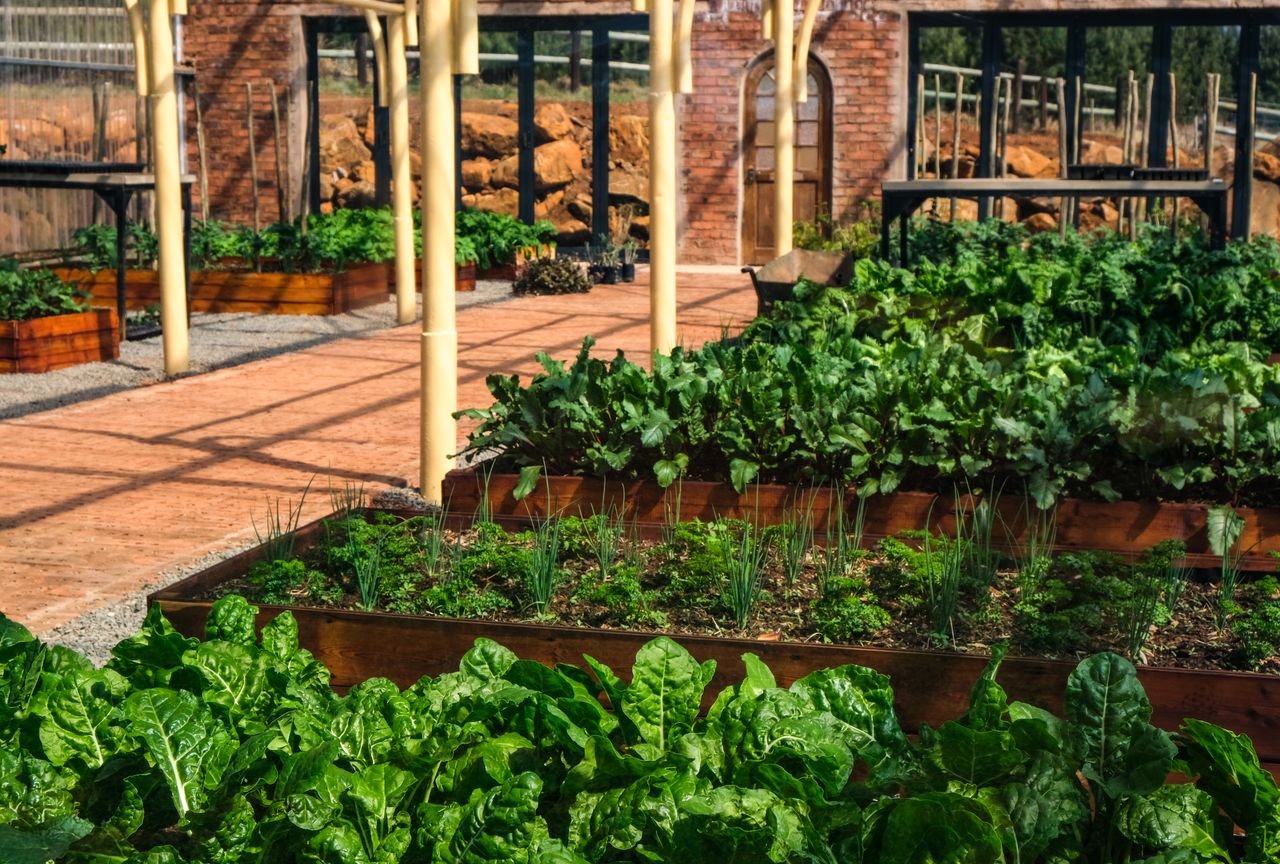
Most vegetables need at least 6 hours of direct sun a day. Fruiting crops such as tomatoes, peppers, cucumbers, and squash do best with 8 or more hours. A south-facing spot is usually best in the US, followed by west, then east. Pick somewhere close to a water supply. For a first garden, one raised bed 4 feet wide and 8 feet long — 32 square feet — is a good size. Raised beds warm up faster in spring, drain well, and let you control the soil from day one. Containers work well on a patio or balcony, but they dry out fast and may need watering every day in hot weather.
3. Prepare the soil
Most vegetables grow best in soil with a pH of 6.0 to 7.0. If you are planting in existing ground, clear the weeds, loosen the top 8 to 12 inches with a garden fork, and work in 2 to 3 inches of compost. For a raised bed, use a bagged raised-bed mix, or a blend of topsoil and compost. For containers, use bagged potting mix. A soil test is the cheapest way to stop guessing. University extension labs across the US typically charge about $10 to $40 for a basic test. Aim for soil with 3 to 5 percent organic matter, the range recommended by the University of Minnesota Extension.
4. Choose 3 to 5 easy vegetables
Do not try to grow everything in year one. Pick three to five crops you actually like to eat. Radishes: ready in 22 to 30 days from seed and tolerate cool soil. Lettuce: ready in about 30 to 45 days; loose-leaf varieties let you pick outer leaves for weeks. Cherry tomatoes: the most popular home garden vegetable in the US; one healthy plant in a 5-gallon container can produce hundreds of fruits over a summer. Start with cherry varieties such as Sungold or Sweet 100. Green beans: bush varieties such as Provider and Contender are ready in about 50 to 60 days. Cucumbers and zucchini: warm-season crops that grow fast and produce heavily; one or two zucchini plants are usually enough for a household.
5. Plant at the right time
Cool-season crops grow best at about 45 to 65°F — plant them 4 to 6 weeks before your last frost date. That includes lettuce, peas, kale, radishes, carrots, spinach, broccoli, and cabbage. Warm-season crops grow best at about 70 to 85°F — plant them after your last frost, once the soil is above 60°F. That includes tomatoes, cucumbers, zucchini, peppers, and beans. Some crops need a head start indoors: peppers and eggplant 8 to 10 weeks before last frost, tomatoes 6 to 8 weeks, and broccoli and cabbage 4 to 6 weeks. Sow a seed about twice as deep as it is wide, and keep the seedbed evenly moist until seedlings appear.
6. Water deeply, not daily
Most vegetables need about 1 to 1.5 inches of water a week, including rain. In very hot weather, that can rise to about 2 inches, according to Illinois Extension. Water deeply once or twice a week rather than a little every day. Aim the water at the soil, not the leaves, and water in the early morning, about 6 to 8 a.m. Before you water, push a finger 2 inches into the soil near the roots. If it is dry, water. If it is damp, wait.
7. Mulch, weed, and harvest little and often
Once the soil has warmed and seedlings are a few inches tall, spread 2 to 3 inches of straw or shredded leaves around the plants, keeping it an inch back from the stems. Weed little and often, and look closely at your plants twice a week. Pick vegetables when they are ready, not when they are biggest. Harvesting little and often also keeps plants producing. Sow lettuce and radishes in small batches every two to three weeks.
Checklist: your first vegetable garden
- Look up your USDA hardiness zone and your average last spring frost date.
- Pick a spot with at least 6 hours of direct sun, near water.
- Start with one bed — 4 by 8 feet is a good size — or a few containers.
- Test your soil through your local extension office, or add 2 to 3 inches of compost.
- Choose 3 to 5 easy crops: radishes, lettuce, cherry tomatoes, green beans, and cucumbers or zucchini.
- Plant cool-season crops 4 to 6 weeks before last frost; warm-season crops after last frost, when the soil is above 60°F.
- Water about 1 to 1.5 inches a week, deeply and in the morning.
- Mulch 2 to 3 inches deep, weed little and often, and check your plants twice a week.
- Harvest little and often, and sow lettuce and radishes in small batches every few weeks.
The bottom line: A first vegetable garden does not need to be perfect. It needs a sunny spot, decent soil with compost, a few forgiving crops, and planting timed to your last frost date. Start with radishes and lettuce for a quick win, add cherry tomatoes and beans for the summer, and water deeply rather than daily.
Disclaimer: Growing times, frost dates, and watering needs vary by location, soil, and weather. The dates and figures in this article are general US averages and examples, not a guarantee for your garden. Check your local cooperative extension service for planting dates and advice specific to your county.
Sources: USDA Plant Hardiness Zone Map, 2023 revision; Farmers’ Almanac, “Top 5 Easiest Vegetables to Grow (2026 Beginner Guide)”; University of Illinois Extension, “Vegetable Gardening”; University of Minnesota Extension; Kansas State University Extension.